Maciej Pawlik
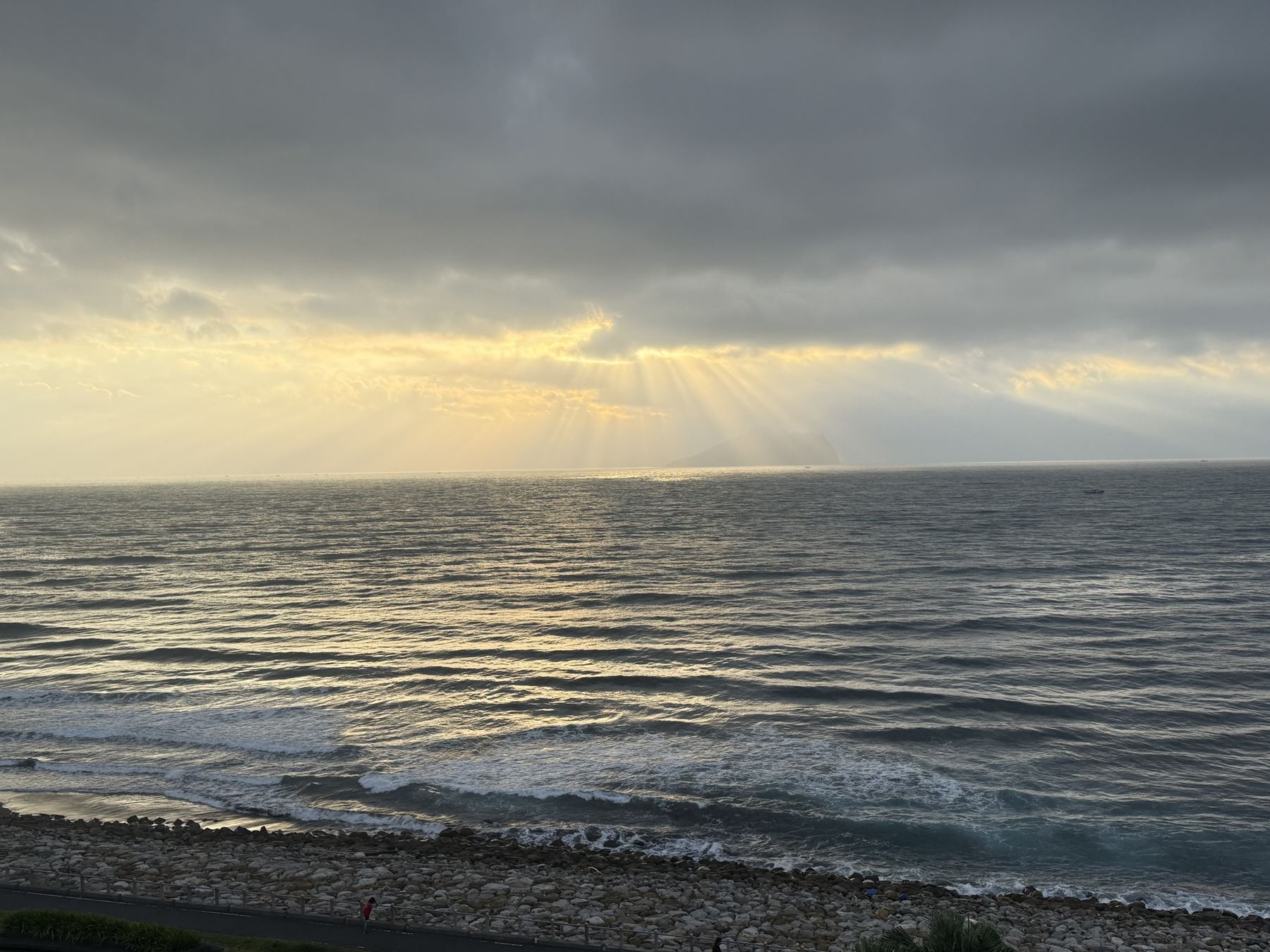
Sunlight breaking through storm clouds over the sea off Taiwan

Books

The books thatlit the way

The reading that shaped how I think about nature, power, disaster and the mind, and why each one stayed with me.

Nature and our place in it

Where my research begins: the idea that we belong to the living world, not above it.

Silent Spring

Rachel Carson

Proof that good science can expose the truth, even when it means standing up to capitalism and the industries it protects. Rachel Carson kept going despite personal struggle and fierce opposition, and her persistence is a reminder of why I never give up on the work, however dark it gets.

The Biophilia Hypothesis

Stephen Kellert & Edward O. Wilson (eds.)

Our belonging to nature, put into words. The idea that we carry an innate need to connect with other living things sits underneath my whole journey, from studying the psychological impact of human–nature disconnect to building Green Learning today.

The Posthuman

Rosi Braidotti

Reimagining our role in this world, and seeing beyond just the physical. It pushed me to see humans as one part of a wider web of life rather than its centre, an idea I carried into my MSc work on Ecological Posthumanism, and a reminder to strive always to be and do better.

Walking in the Woods

Yoshifumi Miyazaki

The power of nature to heal us from within, through the deepening of our connection to it. To walk amongst our friends the plants and the wider fauna, and to feel their love and care, is also a reminder of our responsibility to the wider living system of which we are a congruent part.

Miyazakiworld

Susan Napier

Stepping into a simpler world with deep hidden meanings about our present. Miyazaki's films treat forests, rivers and spirits as living characters with their own stories, allowing nature to quell the fires within our hearts. They are part of why Japan, and its relationship with nature, means so much to me.

Dune

Frank Herbert

Imagining what our present failures to support and appreciate nature may result in. A desert world shaped by scarcity, power and ecology, where whoever understands the land holds the future. It reads like an epic, but it is really a warning.

Power, politics and injustice

Why systems fail people, and what it takes to change them.

Death Note

Tsugumi Ohba & Takeshi Obata

A reflection on the injustices of the world, and how inaction and complacency result in the eventual destruction of humanity. It raises uncomfortable questions about who gets to decide what justice looks like, and what we owe each other when we can see harm coming. It went on to inspire my paper, Already an Injustice.

Living in the End Times and Too Late to Awaken

Slavoj Žižek

Two books on the overall failure of capitalism as a system of governance. Žižek writes about a world in crisis that keeps carrying on as normal, which goes a long way to explaining why disaster risk keeps rising even when the warnings are clear.

Honourable Friends?

Caroline Lucas

The failings of the British government, and how to navigate politics to make change. Written from inside Parliament, it shows both how slow the system can be and how one persistent voice can still shift it, something I hold onto in my own political work.

Into the dark

Disaster, the mind, and the truths we would rather not look at.

When the Dust Settles

Lucy Easthope

The realities of post-disaster work. It looks honestly at what happens after the cameras leave: the grief, the paperwork and the long road to recovery. A reminder that disaster science is ultimately about people, and that the work does not end when the emergency does.

The Skeleton Cupboard

Tanya Byron

The struggles of the mental health system, and the darkness we hide from daily reality. Coming from a clinical psychology background, it reminds me that behind every statistic is a person carrying something unseen.

House of the Sleeping Beauties

Yasunari Kawabata

A reminder that behind the stable and ignorant realities we create, we may be casting aside real truths that are dark and growing. Without our attention, they will only get worse and bigger.

Mind, belief and discipline

What I believe, what I don't, and what I'm still open to.

The God Delusion

Richard Dawkins

Detaching from religion's simple answers to complex questions. Science and personal philosophy became my anchors, along with an acceptance of the unknown, without the need to attribute it to a specific divinity.

Many Lives, Many Masters

Brian Weiss

Perhaps there is more to the mental and physical realms, beyond the current scope of scientific understanding. I hold this alongside my scientific outlook rather than against it, keeping an open mind about the parts of life we cannot yet explain.

The Marshmallow Test

Walter Mischel

Self-control is trained and practised. We can all do it, and as adults we are accountable to ourselves. It made me see discipline as a skill rather than a fixed trait, which matters for long journeys like a PhD, and for the long-term choices our societies face on climate and risk.

And the one I'm writing

Every book here shaped me. This one is mine.

In progress, aiming for 2029

Day in Dystopia

Maciej Pawlik

Part truth, part fiction, written to conceal as much as it reveals. Inspired by my own journey of fighting chronic illness while trying to build a career in science, in a world that is politicised, corrupt and quietly dystopian.

Science becomes a sword in a shadow war against forces most people never see. It is a bittersweet story about what it costs to keep going, and why it is worth it.